He went on to graduate at the top of his class and began his journey into researching ways to control infections that were rampant in those years, such as malaria, which recorded up to 30,000 cases during the 1970s and 1980s, and filariasis.
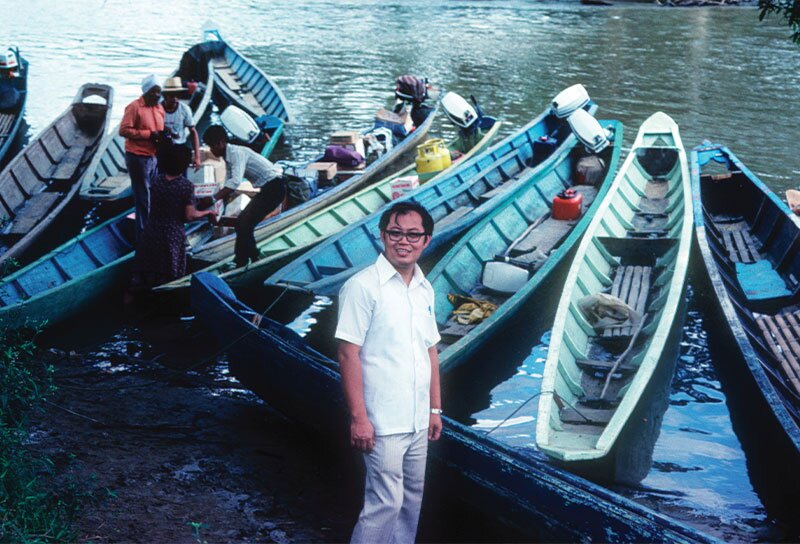
Professor Mak and his team tirelessly conducted and participated in countless surveys in the region, going on the ground nationwide in affected areas such as Felda land schemes, rubber estates and Orang Asli settlements.
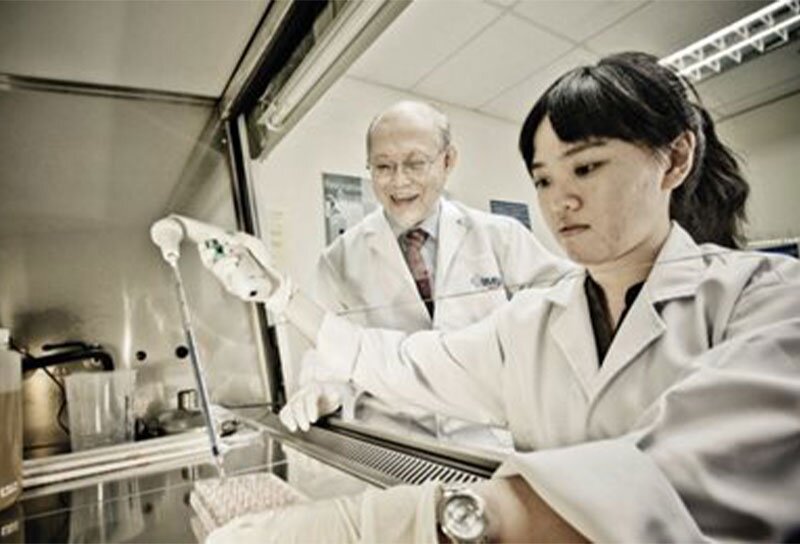
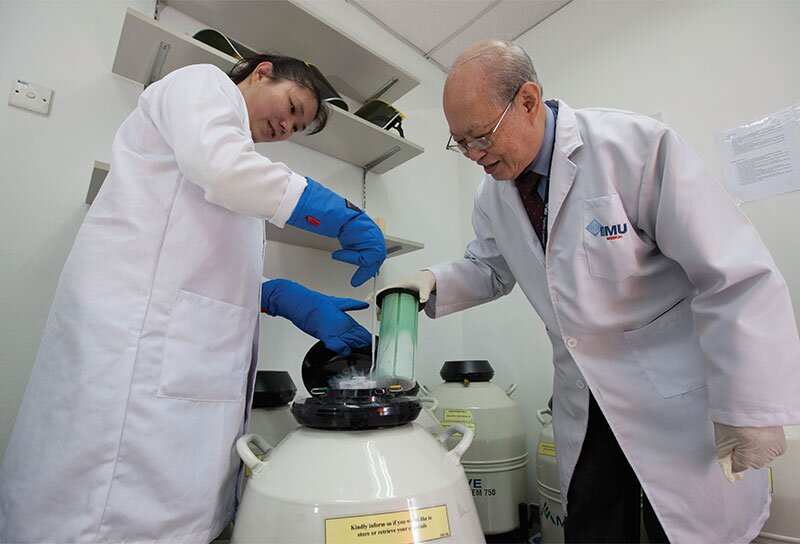
To address the World Health Organization's (WHO) pressing requirement for drug development to combat both filariasis and onchocerciasis (a parasitic infection caused by a distinct filarial worm), Professor Mak and his team pioneered the "in vitro" cultivation of the filarial parasite (Brugia malayi), progressing it from the third stage to juvenile adults.
This landmark achievement was deemed so important by the WHO, that it decided to conduct a training workshop on this method in 1984 to disseminate this technique.